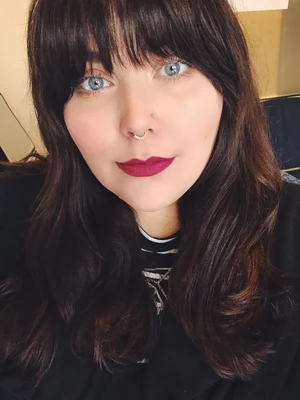
People ask me why they should work with a coach. Here’s what the research says.

I get this question a lot, in different forms. Sometimes it's direct: "What's the difference between coaching and therapy?" Sometimes it's more hesitant, like someone is a little embarrassed to be asking: "I've thought about therapy, but I don't know if I really need it." And sometimes it comes disguised as something else entirely, a person telling me they're fine, they just want to think some things through, they don't really have a problem per se. I understand all of it. I really do. I spent years in the mental health field before I became a coach. I've sat on both sides of that conversation, as someone trained in therapeutic approaches, and as someone who has done her own deep work trying to understand herself. So when people ask me about the difference between coaching and therapy, I don't take it lightly. And I don't give a pat answer. Here's the honest version.
What the Research Actually Shows
A few years ago, a peer-reviewed study published in Psychology Today caught my attention. Researchers looked at outcomes for people who worked with certified coaches trained in evidence-based mental health approaches, and what they found was striking. 58 percent of people who started care with symptoms of depression experienced clinical recovery after at least one session with a coach. Their overall well-being improved by 76 percent. And the therapeutic alliance, that quality of trust, collaboration, and felt safety between a person and their provider, was rated just as strongly between clients and their coaches as between clients and their therapists. Same trust. Same sense of being understood. Comparable outcomes. I'm not sharing this to make a claim that coaching replaces therapy. It doesn't, and for many people, therapy is exactly what's needed. What I am saying is that the old story, that coaching is somehow less legitimate, less rigorous, less real than therapy, isn't supported by the evidence. And for a lot of people navigating the gap between I'm not in crisis and I'm not quite okay, coaching might actually be the right fit.
The Gap Nobody Talks About
Here's something I think about a lot. There is a massive shortage of licensed therapists in this country. Waiting lists are long. Out-of-pocket costs are prohibitive for most people. And even when therapy is accessible, not everyone who is struggling meets the threshold for clinical care, which means they often fall through the cracks entirely, convinced that because their pain isn't bad enough, they don't deserve support. That middle ground, where you're functioning, but not thriving. Where something feels off but you can't quite name it. Where you're in the middle of a transition and just need someone to think alongside you, that's where I live and work. That's where coaching makes sense.
Why I Coach
I didn't come to coaching in a direct way. My background is in mental health. I spent years as a counselor and behavioral technician before I pivoted into the corporate world, and then eventually built Blue-Eyed Birds Creative. I have a master's degree in Creativity and Change Leadership and a health and wellness coaching certification. I understand the clinical side of this work. And I chose coaching anyway, deliberately, because I believe in what it makes possible. Therapy, at its best, helps you understand where you've been. Coaching, at its best, helps you figure out where you're going. Those aren't competing goals, they're often sequential ones. And the people I work with aren't broken. They're in motion. They're asking big questions about who they are and what they want and what comes next, and they need a thinking partner who can hold space for all of that without rushing them toward an answer. That's what I try to be.
So, Is Coaching Right for You?
Honestly, it depends. If you're in crisis, or dealing with trauma, or navigating something that requires clinical-level support, please find a therapist. There is no shame in that, only wisdom. I’d be happy to recommend someone from my network would be an incredible resource. But if you're in that in-between space, curious, searching, ready to do the work but not sure where to start, coaching might be exactly what you've been looking for. Not because it's the easier option. It isn't, always. But because sometimes what we need isn't to be diagnosed or treated. Sometimes what we need is someone who believes we already have what it takes, and helps us find our way back to it.
Jenn Potratz is a certified health and wellness coach and the founder of Blue-Eyed Birds Creative, a coaching and consulting practice for people navigating transition, creativity, and the question of what comes next. Learn more at blueeyedbirds.com.